Have you ever come home from a trip and felt like you only saw the surface? You visited the monuments, took the photos, and ate at the places with English menus, but you didn't actually feel the pulse of the city. We’ve moved past the era of passive sightseeing. In 2026, the most rewarding international vacations focus on deep cultural exchange rather than just checking items off a bucket list.
So what does this actually mean? It means choosing destinations where the history isn't just in a museum but is something you can touch, taste, and participate in. It’s about the shift toward slow travel, where you prioritize community connection over hitting five cities in ten days. Whether it’s a spiritual gathering in India or a weaving workshop in the Andes, these experiences change how you see the
The travel world has seen a massive shift lately. Recent data shows that over half of us are now ditching the usual tourist hotspots for detour destinations that offer a more authentic vibe. We want to visit places where we can live like locals, even if it’s just for a week.
Think of it like the difference between watching a movie and being part of the cast. When you engage with a culture, you aren't just an observer. You’re learning a new way of existing. This kind of travel requires a bit more effort, but the payoff is a trip that sticks with you long after the tan fades.
Kyoto, Japan
Kyoto is the perfect example of a city that refuses to let go of its soul. Although Tokyo is busy building the future, Kyoto is busy preserving the past. But don't think of it as a living museum. It’s a city where ancient tea ceremonies and geisha districts exist right alongside high tech innovation.
If you want the full experience, you have to stay in a ryokan. These traditional inns offer a window into Japanese hospitality that you just won't get at a standard hotel. You’ll also want to time your visit for the Gion Matsuri in July. It’s one of the biggest festivals in the country, and it’s a masterclass in community tradition.
Kyoto is also a UNESCO Creative City of Gastronomy. This means the food, specifically the multi course kaiseki dining, is a core part of the culture. Just remember that etiquette is huge here. Being a respectful traveler is part of the experience, so learn the basics of bowing and quiet voices before you go.
Cusco and the Sacred Valley Peru
Most people see Cusco as a quick stop on the way to Machu Picchu, but that's a mistake. This city is the gateway to the Incan Empire and remains the spiritual heart of the Andes. You can still see the original Incan stonework forming the foundations of colonial buildings, which is a wild visual reminder of the layers of history here.
To get a real sense of the culture, head into the Sacred Valley. I recommend visiting the Ccaccaccollo Community. It’s about 45 minutes from Cusco, and they have a women’s weaving cooperative that preserves Quechuan traditions. You can watch them spin and dye wool using techniques that haven't changed in centuries.
This region is deeply historical and spiritual. It isn't just about the ruins. It’s about the indigenous communities that still call these mountains home. Visiting the local markets isn't just a shopping trip, it’s a lesson in how the Andean people have lived for generations.
Fez, Morocco
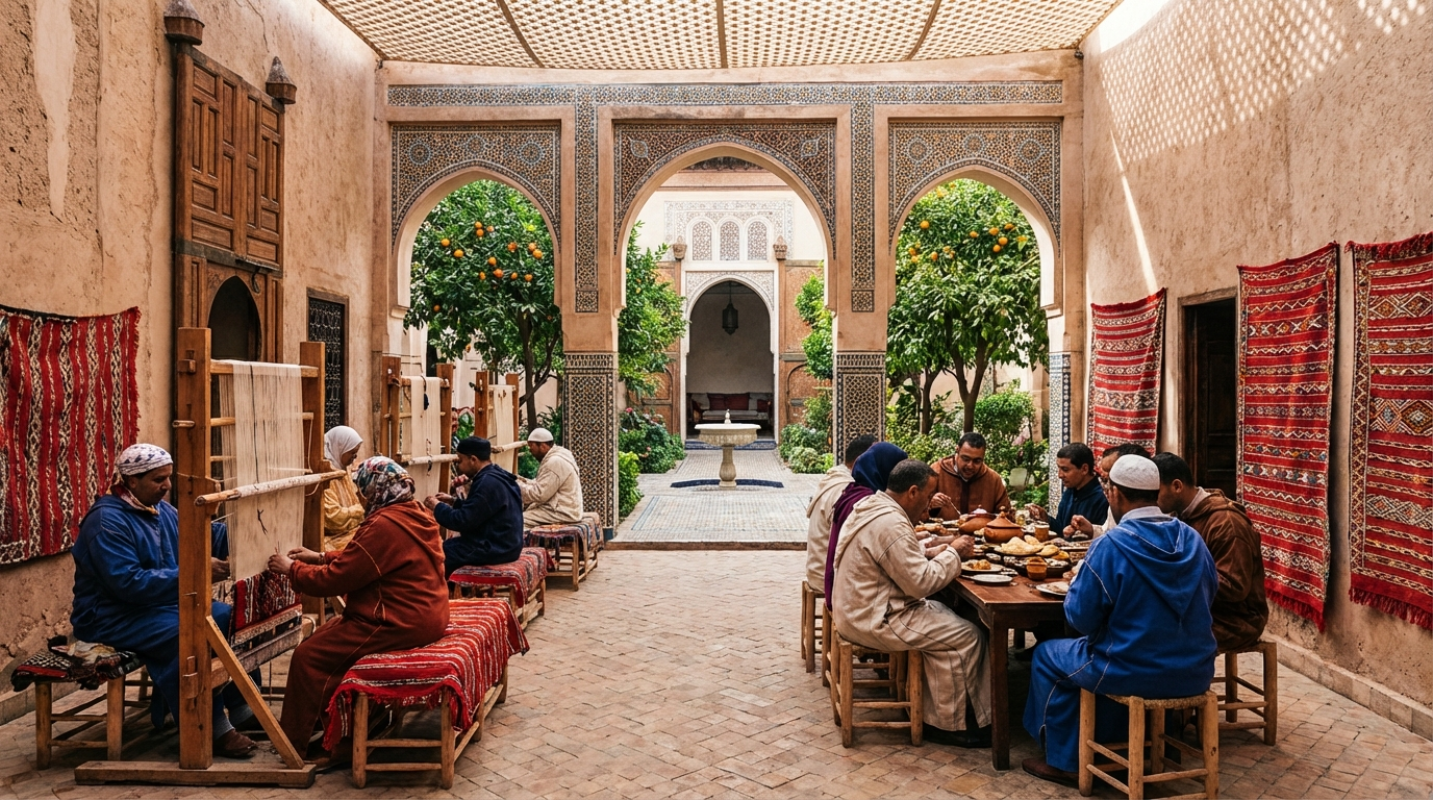
If you want a sensory overload, Fez is your place. It’s often considered more authentic than Marrakech because it hasn't been quite as polished for tourists. The heart of the city is Fez el-Bali, a medina with over 9,000 narrow alleys. There are no cars here, just donkeys, carts, and thousands of people.
Navigating this maze is an art form. You’ll smell the cedar wood, the spices, and the pungent aroma of the leather tanneries all at once. The tanneries are a must see. They still use the same medieval methods to treat and dye leather in massive stone vats. It’s a gritty, real look at artisan creates that are still the lifeblood of the city.
Fez is a place where you have to be comfortable with a bit of chaos. It’s immersive in the truest sense of the word. You don't just visit the medina, you get lost in it. And honestly, that’s usually where the best stories happen.
Oaxaca, Mexico
Oaxaca is arguably the cultural capital of Mexico. If you’re a food lover, this is your pilgrimage site. The cuisine here is a cultural gateway. Between the seven different types of mole and the smoky mezcal, every meal tells a story about the region’s biodiversity and indigenous roots.
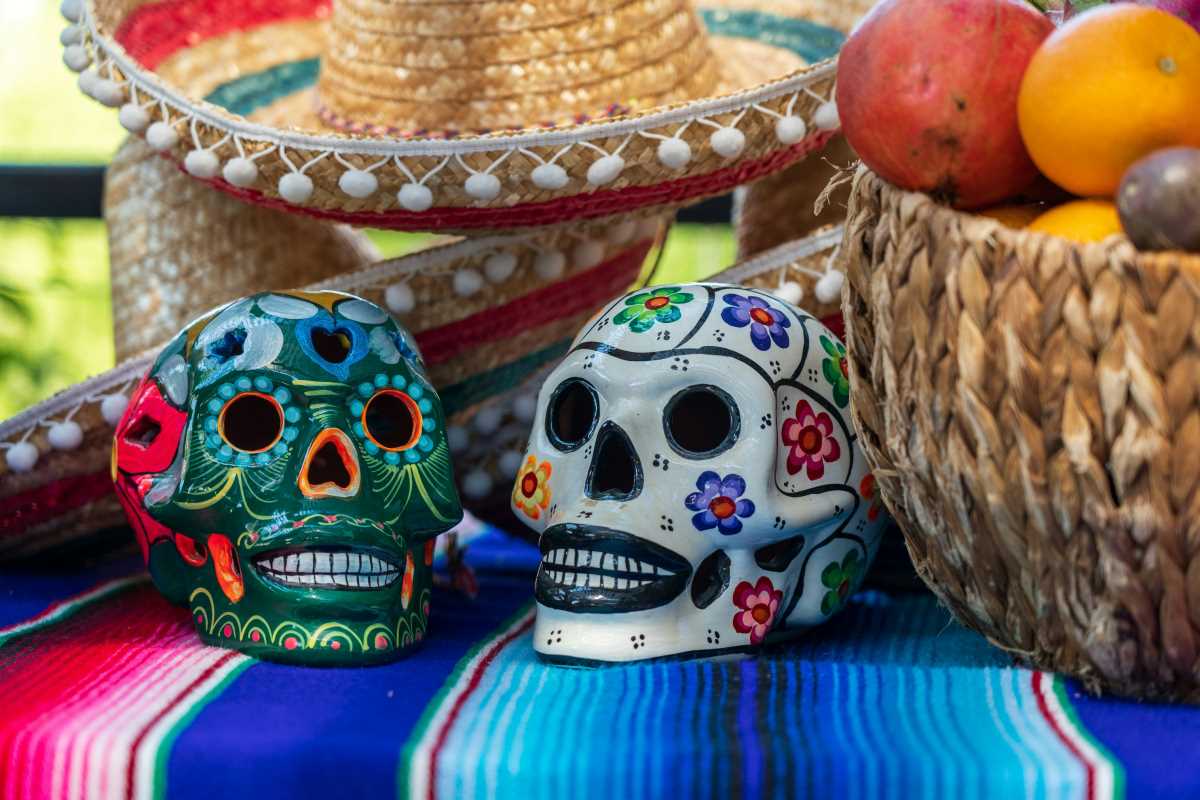
Try to visit during a major festival like Día de Muertos or the Guelaguetza. These aren't just for show. They are deep, community led celebrations of life, death, and heritage. The Guelaguetza, in particular, is a beautiful display of traditional dance and music from the different regions of Oaxaca.
The artistic traditions here are just as strong. From the intricate alebrijes (brightly colored folk art sculptures) to the handwoven rugs of Teotitlán del Valle, the create culture is everywhere. It’s a city that feels alive with creativity, and it’s hard not to be inspired by it.